Source Compact Folding Umbrella for Travel, Rain, and Sun
Explore 30 compact folding umbrella options featuring fiberglass frames, pongee fabric, and UV protection. Compare specifications like open diameter, bone count, and customization availability to find the right supplier for your needs; compare the available evidence and request quotations based on your requirements.
Key considerations
Products List






Comprehensive Sourcing Guide
Compact Folding Umbrella Sourcing Guide
Procuring compact folding umbrellas requires a clear understanding of the specific mechanical and material attributes that define market offerings. Buyers must distinguish between models featuring short handles designed for portability and those with long handles intended for ergonomic comfort during extended use. The observed product range includes variations in fabric composition, such as pongee and 190T nylon, which directly influence the weight and durability of the final unit.
Sourcing decisions should also account for the diverse customization options available, including logo placement and specific color schemes like black glue or vinyl cherry blossom. The market presents items with varying frame materials, ranging from fiberglass to fiber bones, which dictate the structural integrity against wind resistance. Understanding these distinct physical characteristics is essential before initiating contact with potential suppliers to ensure the selected product aligns with the intended use case.
Product Scope and Observed Listing Signals
The current market for compact folding umbrellas displays a wide spectrum of listing signals, particularly regarding the number of folding segments. Listings frequently highlight five-folding designs that maximize portability, alongside standard folding mechanisms that balance size with ease of operation. Buyers should verify the specific open diameter, as observed ranges include 93cm and 105cm, which significantly impact the coverage area provided to the user.
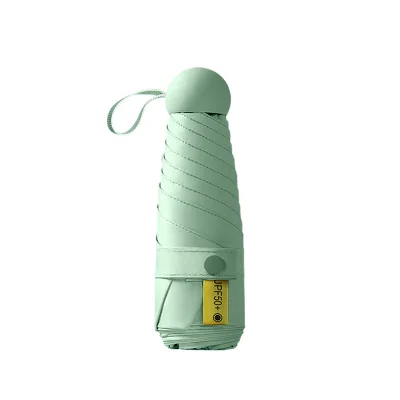
Another critical signal is the packaging specification, which varies from individual bags to cartons depending on the order volume and supplier preference. Some listings explicitly mention creative short handles or capsule shell designs, indicating a focus on aesthetic appeal for promotional giveaways. Procurement teams must carefully review these visual and descriptive cues to ensure the selected inventory matches the brand identity and functional requirements of the target demographic.
Technical Specifications to Verify
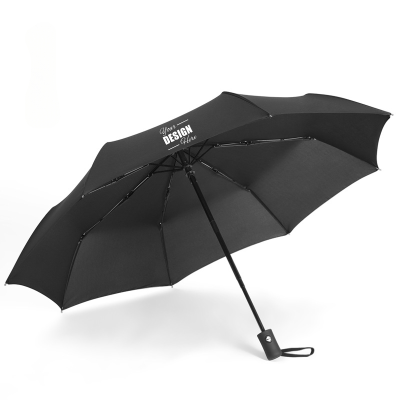
Technical verification begins with the frame construction, where the number of bones and material composition are paramount for structural reliability. Buyers should confirm whether the umbrella utilizes six bones made of fiber or fiberglass, as these components determine the canopy's ability to withstand gusts without inverting. The open mode is typically manual, but the specific mechanism for opening and closing must be tested to ensure smooth operation without snagging.
Fabric properties also require rigorous scrutiny, specifically the lamination type and coating quality. Many units feature black glue lamination for UV protection, while others utilize black coating on the panel material to enhance sun blocking capabilities. The single gross weight is another vital metric, with observed values ranging from 0.300 kg to 0.500 kg, influencing the overall portability and user experience of the compact design.
Compliance and Safety Documentation
While specific certification documents are not universally listed in the provided product data, buyers must request evidence of compliance with relevant safety standards for textile products. The origin of the goods, often cited as Zhejiang, China, necessitates a review of the supplier's ability to provide documentation regarding the chemical safety of the fabrics and coatings used. This is particularly important for umbrellas intended for adult use, where material safety is a primary concern.
Procurement teams should also verify that the product meets import regulations for the destination market, ensuring that no restricted substances are present in the rubber handles or nylon fabrics. Although the listings indicate the items are not imported from other regions, the final destination's regulations regarding textile safety and UV protection claims must be satisfied. Requesting test reports for the black glue and fabric materials is a prudent step to mitigate liability risks.
Cost Drivers and Commercial Terms
The cost of compact folding umbrellas is heavily influenced by the complexity of the customization and the specific materials selected for the frame and canopy. Models featuring custom logos, specialized color packs, or unique handle designs often command higher unit prices compared to standard configurations. The observed price range of 0.41 to 10 USD reflects these variations, with higher costs associated with premium materials like fiberglass frames and advanced UV-blocking coatings.
Commercial terms such as the minimum order quantity (MOQ) and packaging requirements also play a significant role in the total landed cost. MOQs can vary widely from 2 units for sampling to 3000 units for bulk production, affecting the per-unit economics of the purchase. Additionally, the choice between bag or carton packing impacts shipping efficiency and costs, requiring buyers to calculate the optimal balance between protection and freight expenses.
Supplier Qualification and Quality Control
Supplier qualification should focus on verifying the consistency of production capabilities, particularly regarding the customization of logos and the precision of the folding mechanisms. Buyers must ensure that the supplier can consistently deliver products with the specified open diameter and bone count without compromising the structural integrity of the umbrella. The presence of a "High Quality" designation in listings should be validated through sample testing rather than accepted as a standalone claim.
Quality control protocols must include checks on the single package size and gross weight to ensure they match the agreed specifications. Discrepancies in the frame material, such as substituting fiber for fiberglass, can lead to product failure in adverse weather conditions. Establishing a clear quality assurance process that includes pre-shipment inspections is essential to maintain the reputation of the brand and ensure customer satisfaction with the final product.
Long-Term Procurement Checks
Long-term procurement success depends on establishing a reliable supply chain that can maintain consistent quality over multiple production cycles. Buyers should monitor the supplier's ability to adhere to the specified standards, such as the 20X10X20 cm or 2555 cm packaging dimensions, which affect storage and logistics efficiency. Regular audits of the production line can help identify potential issues with the black glue application or the durability of the rubber handles before they impact the final product.
It is also crucial to track the performance of the umbrellas in the field, specifically regarding the effectiveness of the anti-UV features and the longevity of the folding mechanism. Suppliers should be evaluated on their responsiveness to quality issues and their ability to provide replacements or adjustments if the product does not meet the initial expectations. Building a partnership based on transparent communication and shared quality goals ensures a sustainable supply of compact folding umbrellas for future needs.
FAQs
What is the open diameter of the compact folding umbrella?
The open diameter is typically 93cm or 105cm depending on the specific model selected. Buyers should verify the exact specification for their order. The BY200 model features a 105cm diameter, while the cmf013 model offers a 93cm coverage. This variation allows for different protection levels against sun and rain.
Can the umbrella handle be customized for branding purposes?
Yes, customization is available for the umbrella handle and other parts. The product supports customized logos to meet specific branding requirements. This feature is ideal for corporate giveaways or promotional events. Buyers can work with suppliers to apply their unique designs to the rubber handle or capsule shell.
What material is used for the umbrella frame and fabric?
The frame is constructed from fiberglass or fiber bones for durability. The fabric is made from 190T Nylon with a black glue lamination for UV protection. This combination ensures the umbrella is lightweight yet strong. The black coating provides effective sunshade capabilities while maintaining a minimalist design style suitable for various occasions.
What is the minimum order quantity for these umbrellas?
The minimum order quantity ranges from 2 to 3000 units. This flexible MOQ accommodates both small sample orders and large bulk purchases. Buyers can choose quantities based on their specific needs, whether for personal use or large-scale distribution. The pricing structure often adjusts based on the volume ordered within this range.
Is the umbrella suitable for both sunny and rainy weather?
Yes, the product is designed as a sunny and rainy umbrella. It features anti-UV properties and water-resistant pongee or nylon fabric. The black glue lamination enhances sun protection while the durable frame handles rain. This dual-purpose design makes it a practical choice for everyday use in varying weather conditions.
How is the umbrella packaged for shipping and storage?
The umbrella is packaged in cartons or individual bags for protection. The standard packing size is approximately 20x10x20 cm or 25x5x5 cm. This compact packaging facilitates easy storage and efficient shipping. The single gross weight is around 0.300 kg to 0.500 kg, ensuring lightweight handling for logistics.